

Where storms meet hygge
Inside Denmark's enduring love affair with the summer house

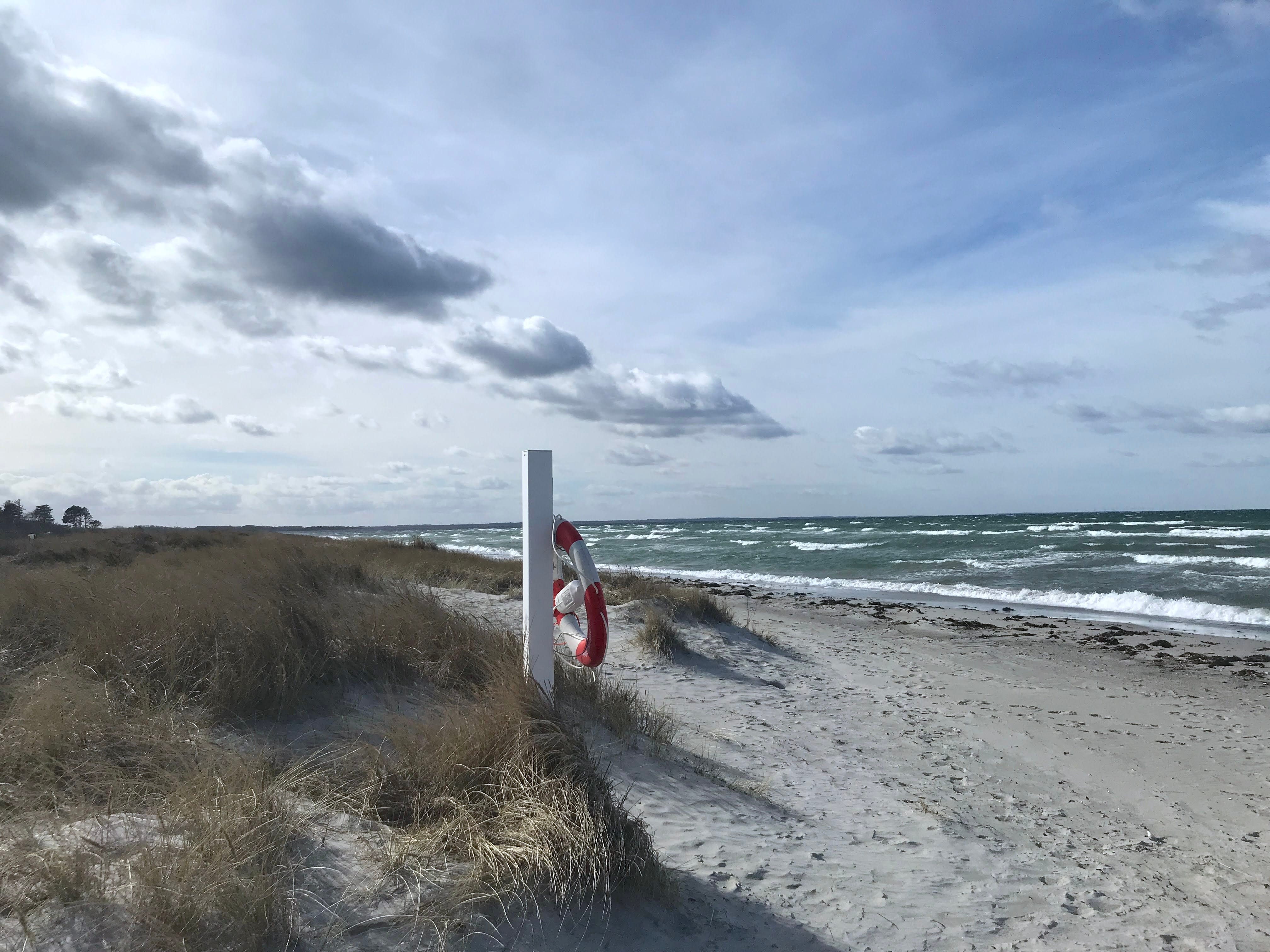
The summerhouse culture
A recent visit to Thy reminded me of an old topic I always wanted to write about. You guessed right, it’s about Danish summer house phenomenon.
I have never experienced a country where so many families and individuals own or have shared ownership of a holiday home. No wonder why - sitting in a wooden cabin while a seaside storm is blowing outside probably scores the highest on the hygge-scale.
Having a holiday home can also create basis for a whole list of activities to do what we do in Denmark so well. Long walks in nature, family birthday celebrations, playing board games, keeping old family traditions alive, winter bathing, or simply sitting by the fireplace while it’s windy outside.
But what is a summer house really?
A summer house is a secondary residence that falls under the fritidsbolig category (leasure dwelling) and refers to a place for recreation and not an all-year round permanent home. As opposed to kolonihave (colony gardens) which is also a type of fritidsbolig located in, or near big cities, a sommerhus is somewhere outside the city, often in the woods or close to a beach and you typically drive or take the train there. I have recently heard in a Hammerslag episode, that nowadays buyers are expecting shorter and shorter travel time to their holiday home. This can limit the interest in holiday homes that are lying in remote areas, even though one of the most appealing characteristics of a summer house (if you ask me) is that they are so far from everything… So much so, that you can even survive the firework bonanza on New Years Eve without much disturbance.
Sommerhusområder
Summer houses are found in designated sommerhusområder (summer house areas) with specific zoning. According to the Danish Building Regulations (Bygningsreglementet § 170, § 177), these zones have a maximum building density of 15% of the plot area and height limitations of 5 meters maximum. Coastal zone laws from the 1970s require homes to be built at least 300 meters from the beach edge , but climate change is increasingly threatening Denmark’s beloved summer house tradition. Rising sea levels, intensified storms, coastal erosion put thousands of properties at risk and the 2023 October storms resulted in nearly 1,500 damage claims.
Living traditions
Having a wooden cabin or holiday home near the city or a healthy drive away can be a stable point for the owners and their families. Some families have time-share arrangement of the house so the siblings or cousins use it in rotation. Some are rented out to travelers on the empty weeks to make some income and share the opportunity with others.
Hear-say says, when you buy a summer house in Denmark, you even get the furniture with it - down to the last piece of fork and knife. This to me speaks practicality as well as sustainability. For the seller, moving big and small furniture out of you summer house, especially if you have no new place to move them to, can be a hassle (and the same problem arises for the buyer). This way summer houses can change owners simply and quickly, without the hassle of having to refurnish them.
Any summer house I have so far visited had some things in common: The presence of wood everywhere, large exhibition posters, comfortable couches and armchairs, warm crocheted blankets, mugs with folk art, a shed full of seasonal toys for kids, a fireplace.
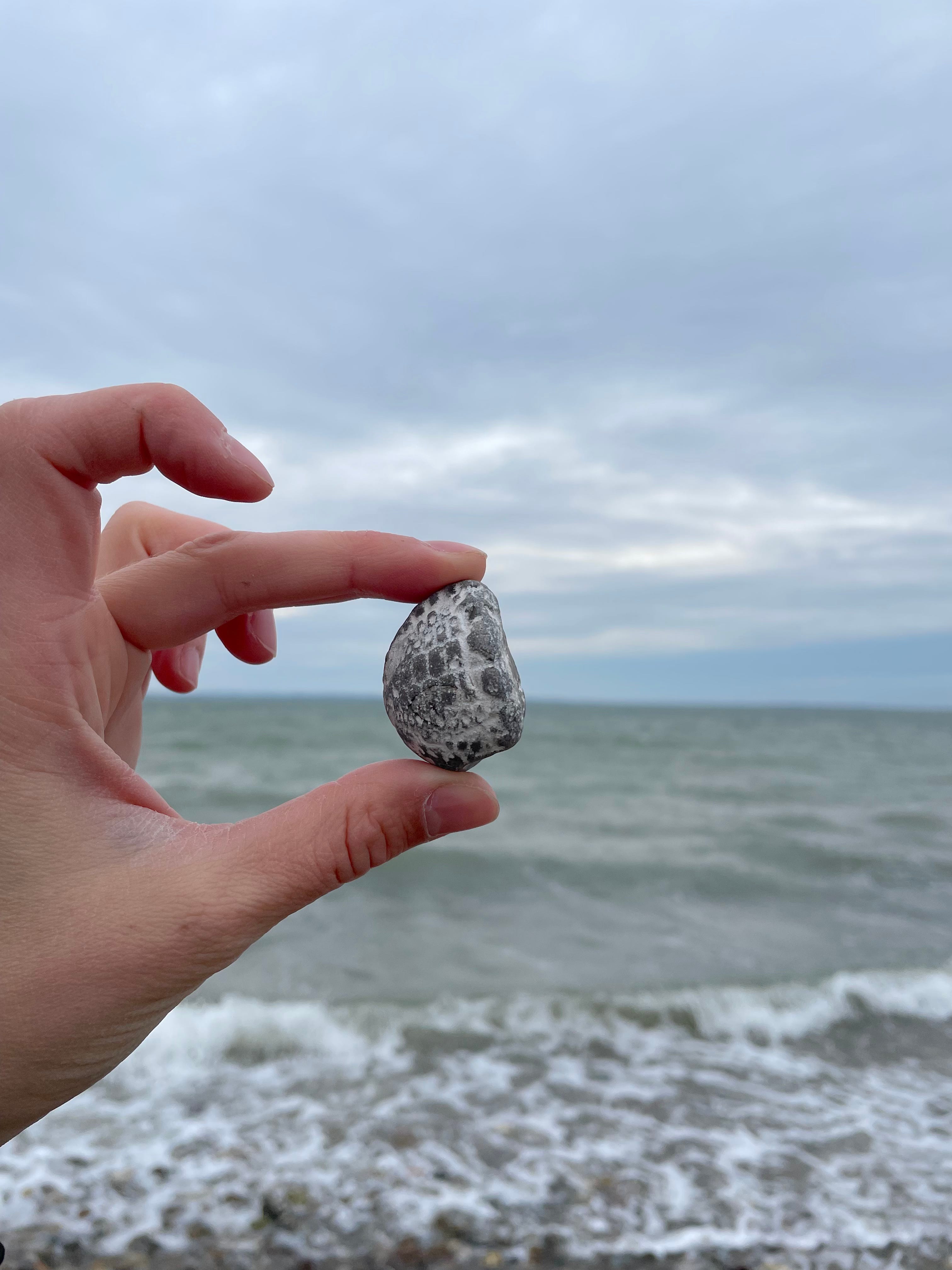
Staying in a summer house gives you the opportunity to visit local restaurants, explore art exhibitions in the area or invite friends over. Personally, my favorite place to write is a terrace in the middle of a pine tree forest, where the cold air from the sea mixes with the warm sunrays. There is something in the roughness of Danish nature that you only get outside of the cities. I love a dip in the ice cold, salty fjord, finding sea urchins among the stones on the beach, being blown away by the wind and keeping track of the changing seasons.
Wishing you a hyggeligt stay!